
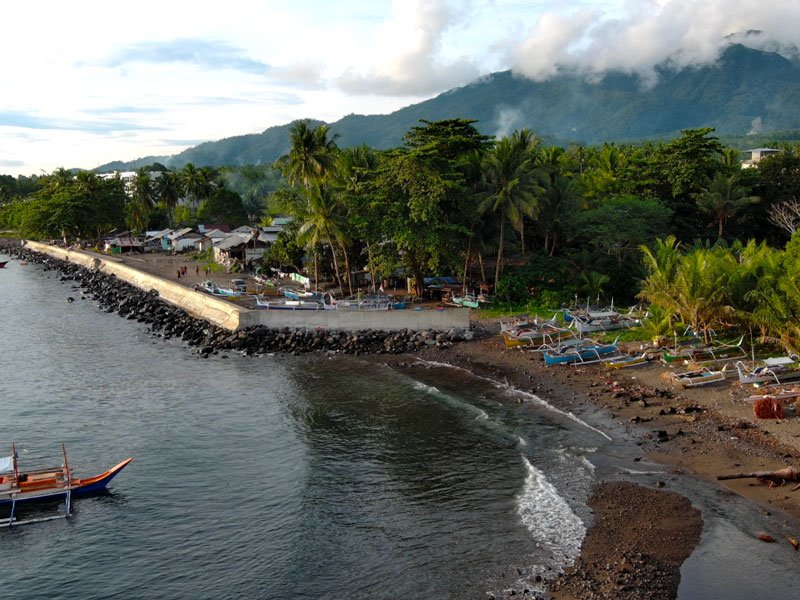
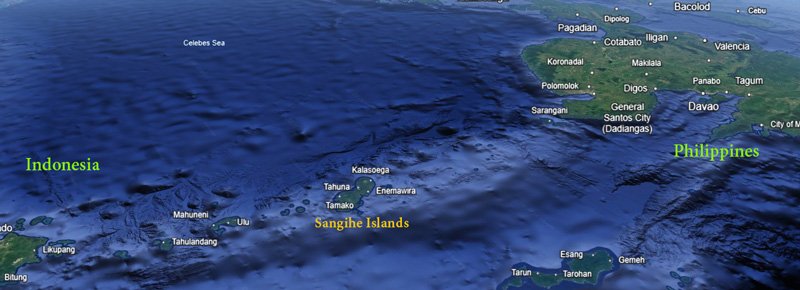
In the early 2000s, mobile phones in the Indonesia-Philippines border region, such as the Sangihe Islands, were still rare.
In many rural homes, these “tiny gadgets” were owned by only a few people, and their function was limited to basic communication.
The Nokia 1100 was a legendary phone of that era. Its screen was monochrome, the keypad rubbery, and the backlight a soft green. Its functions were simple: calls and SMS.
Beyond that? Pick a ringtone, play Snake or Tetris, or look at pixelated images. No touchscreen, no camera, no internet—these old phones were worlds apart from today’s smartphones.
For us living in border communities, even these simple features were entertaining at the time. But for communication, strategy was key.
Prepaid credit had to be managed carefully, because every SMS character counted, and phone calls? Only for the important stuff. Chat too long, and your balance could quickly run dry.
Hills, under trees, even bamboo benches or small huts, became makeshift communication posts.
The ‘Ritual’ of Hunting for Signal
The main issue back then wasn’t just features—it was signal.
In many villages across the Sangihe Islands, for example around South Tabukan Subdistrict, mobile signal had to be “fetched” from towers in other subdistricts—sometimes dozens of kilometers away.
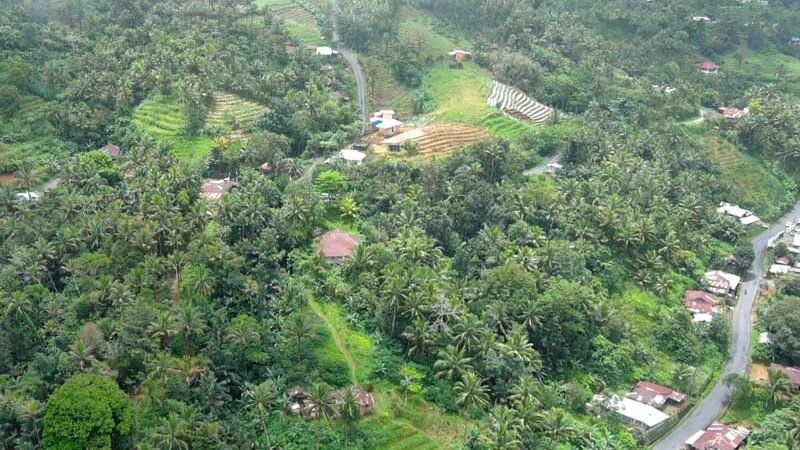
Getting three or four bars was lucky; one or two bars felt like a small victory. If you’ve seen the Indonesian movie Susah Sinyal (“No Signal”), you’ll get a sense of how difficult it was to connect in those years.
Because of limited signal coverage, hunting for bars became almost a ‘social ritual’.
Those with mobile phones would walk or ride motorcycles to high ground, sometimes kilometers away. Hills, under trees, even bamboo benches or small huts, became makeshift communication posts.
People gathered there, creating lively moments with ringtones, laughter, and occasional complaints when the signal dropped or calls got cut off.
All of it was done just to stay connected with family or friends off the islands, even if only for a short while. Ironically, this limited technology created a unique social space.
Phones You Borrowed vs. Phones You Own
Back in the era of old mobile phones, borrowing a friend’s or relative’s phone was common.
Messages were sometimes read aloud and shared among several people, often becoming a source of jokes. Today, however, phones have become much more personal.
This shift reflects a broader cultural change in how technology is used. It’s not just the devices that have evolved—people’s ways of interacting and protecting privacy have changed too.
It’s understandable: today’s smartphones hold photos, videos, chats, emails, banking apps, even e-wallets.
Lending a smartphone for anything beyond a simple call now requires careful consideration.
The Dawn of the Digital Era
The digital era began to take root in Sangihe around 2007–2009. Phones started leveling up.
The Nokia 5300 became our favorite phones, with a color screen, music player, and MP3 capability. Even a 0.3 MP VGA camera felt impressive.
Internet access became possible, though slow. Browsing and Facebook were doable but time-consuming.
For schoolwork or information, computers or laptops were necessary. Free WiFi in cafés or government offices was unheard of. In Tahuna, the capital, I relied on government offices and schools for internet access, though loading a single page could take as long as ‘cooking instant noodles.’
Eventually, internet cafés, locally known as warnet, became popular among young people. We weren’t just going there to complete homework—we were socializing, meeting friends, and exploring Facebook.
Warnet soon turned into social hubs: places where young people gathered to meet friends, hang out, and sometimes even find a crus. Local workers and even tourists also used these spots to go online.
One particular internet cafee I visited became the gateway to the digital era, where connectivity and access to information felt real for the first time.
Sangihe Today: Technology at the Edge
Sangihe has changed dramatically. Infrastructure has grown, roads connect villages, and communication networks now reach even the remotest areas.
Signal coverage that was once limited to Tahuna city now extends to many villages, making long-distance communication easier and faster.
The old Nokia 1100 is now a memory. Smartphones are commonplace, and apps like WhatsApp have replaced SMS. Social media—Facebook, Instagram, TikTok—has become part of everyday life.
Border communities now shop online, transfer money via apps, create content, and even earn an income.
Smartphones: Tools for Creativity Amid Ongoing Digital Challenges
Smartphones are no longer just communication devices—they’re tools for creativity. Young people in the borderlands now follow social media trends, learn photo and video editing, and build online communities through WhatsApp, Telegram, and other platforms.
Local businesses can market products beyond geographic limits, reaching customers across islands.
Local communities have also started using digital tools for skill-building, content creation, and digital literacy, supported by government programs that nurture the growing digital ecosystem.
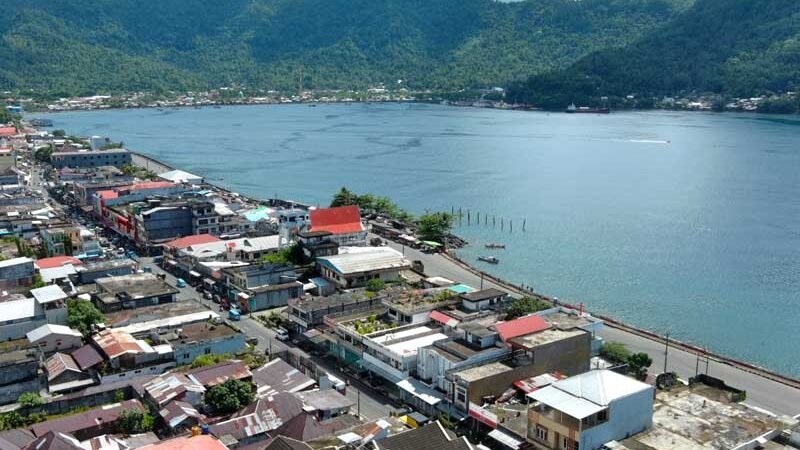
The digital era has opened new opportunities for border communities. Residents of areas like the Sangihe Islands are no longer mere spectators; they are becoming active participants in a broader digital ecosystem.
Despite progress, challenges remain. Some areas lack stable signal, limiting daily communication.
Digital literacy is uneven, and many still struggle to use technology safely and effectively.
Increased access to the online world also brings risks: data security, misinformation, and gadget addiction.
Addressing these issues requires collaboration—from government to communities—to create a safer, more inclusive, and productive digital environment.
Technology Transforms the Borderlands
The journey from old phones to smartphones in Sangihe is more than a story about gadgets—it’s about how technology reshapes life, interaction, and opportunity.
Borders are no longer just geographic lines. Technology has connected these communities to the wider world, giving them access that was once unimaginable.
The world that once felt far away now feels close. Unlike previous generations, Gen Z in the borderlands now participates in global trends, social media, and creative expression.
The story of staying connected in places like Sangihe shows how technology can reach the farthest corners of the country. What once felt distant is now within reach.
By Sandra Refli Medawo
No Response